
The expansion of nuclear power depends on more than reactor designs and project funding. It also requires reliable access to specialised materials (Nuclear-Grade Materials), precision-engineered components and qualified manufacturers. For India’s nuclear industry, strengthening this supply base is essential to project delivery, safety and long-term industrial growth.
Supply chain begins with Nuclear Grade materials
A nuclear power plant is built on nuclear grade materials that must perform reliably under demanding operating conditions. They may face high temperatures, pressure, radiation, corrosive environments and repeated thermal stresses. Therefore, the materials used in critical nuclear systems must meet strict technical and quality requirements.
Nuclear-grade materials are not simply conventional industrial materials with a different label. Their suitability depends on the intended application, applicable codes, manufacturing processes, testing requirements and documented quality controls. Nuclear-grade steel is one important example. Specialised steels and alloys are used in pressure-retaining equipment, piping, heat-transfer systems and other critical applications. Their chemical composition, mechanical properties and resistance to degradation must match the design requirements.
Forgings and castings are equally important. Large forgings can form the basis of major pressure-boundary components, while castings provide complex shapes for equipment such as valve bodies and pump casings. Both require controlled manufacturing processes and extensive inspection where specified.
Specialised alloys also play a role in applications involving corrosion, elevated temperatures and demanding coolant conditions. Selecting the right material is essential because a failure in a critical component can affect plant safety, availability and maintenance schedules.
For suppliers, the message is clear. Nuclear procurement begins with material suitability, but it does not end there. Manufacturers must also demonstrate that the material and the finished component meet the required specifications.
Critical components: Where manufacturing capability matters
Nuclear Grade Materials become part of the nuclear supply chain through a network of steelmakers, forging companies, foundries, fabricators, machining specialists and equipment manufacturers. Several components deserve particular attention because of their engineering complexity and procurement requirements.
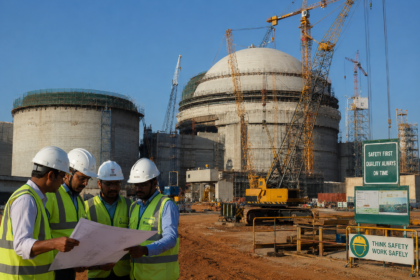
Reactor pressure vessels are major components in pressurised water reactor designs. They must withstand demanding pressure and temperature conditions over a long operating life. Their manufacture requires specialised materials, large-scale forging or fabrication capabilities, precision machining and rigorous inspection.
Steam generators transfer heat between reactor coolant and the secondary water-steam system in relevant reactor designs. Their tubes, pressure boundaries and internal structures require careful material selection and manufacturing control.
Heat exchangers support heat transfer across several plant systems. Their material requirements vary according to operating conditions, fluid chemistry and safety classification.
Valves and pumps regulate and move fluids through essential plant systems. However, not every valve or pump in a nuclear facility has the same safety significance. Requirements depend on the component’s function, design classification and specified service conditions.
This distinction matters for Indian suppliers. Experience in conventional power, oil and gas, chemicals or heavy engineering can provide a useful foundation. Yet, supplying nuclear projects may require additional qualifications, specialised manufacturing procedures, stricter documentation and customer approval. A company cannot assume that a product accepted for a conventional power plant will automatically qualify for nuclear service.
India’s manufacturing base: An opportunity to scale
India has an established industrial base in heavy engineering, power equipment, steel production, precision manufacturing and industrial valves. Public-sector enterprises and private manufacturers contribute to different parts of the nuclear equipment ecosystem. Bharat Heavy Electricals Limited (BHEL), for example, has supplied major power-generation equipment for Indian nuclear projects. Its published nuclear power portfolio demonstrates the role of domestic heavy engineering in supporting the sector. BHEL’s nuclear power portfolio.
The Nuclear Power Corporation of India Limited (NPCIL) is responsible for implementing nuclear power projects and operating its reactor fleet. Its published project overview identifies ongoing construction and planned reactor capacity additions, creating a longer-term demand outlook for equipment, materials and qualified suppliers. NPCIL project overview.
However, expanding nuclear capacity will require more than increasing production volumes. Manufacturers must also build capacity for specialised grades, large components, precision machining, inspection and repeatable quality.
This creates opportunities for Indian steelmakers, forging companies, foundries, valve manufacturers, pump makers and engineering MSMEs. They can enter the supply chain directly or work as qualified sub-suppliers to established nuclear vendors. The opportunity is significant, but entry requires preparation. Companies must understand the applicable technical specifications, qualification process, inspection requirements and procurement procedures before committing capital to nuclear-specific production.
Import dependencies and the need for supply visibility
Domestic manufacturing does not automatically eliminate import dependence. Certain specialised materials, manufacturing inputs, equipment or components may still depend on a limited number of qualified suppliers. The exposure varies by reactor technology, component design and project requirements. Therefore, import dependence should be assessed component by component rather than treated as a single industry-wide figure.
Large forgings illustrate the challenge. Manufacturing them requires suitable presses, controlled heat treatment, specialised tooling and inspection facilities. Even when a country has a capable industrial base, only a limited number of facilities may be able to manufacture a particular component to the required specifications. Specialised alloys can present a similar challenge. A material may be commercially available, yet the particular grade, product form, dimensions or qualification evidence required for a nuclear application may not be readily available.
For procurement teams, the priority is to identify these dependencies early. They should map critical materials and components, assess the number of qualified sources and identify items with limited substitution options. Where imports remain necessary, early ordering, supplier engagement and realistic delivery schedules can reduce exposure. Where domestic alternatives are technically feasible, manufacturers and buyers can work together to establish qualification plans. The objective is not to eliminate every import. It is to reduce avoidable vulnerabilities while maintaining the technical and safety requirements of each project.
Long lead times: A project delivery risk
Critical nuclear components often require lengthy manufacturing and inspection cycles. The time required depends on design maturity, material availability, production capacity, testing requirements and the complexity of the component. A delay in obtaining a specialised steel grade can affect forging schedules. A delayed forging can hold up machining and fabrication. If inspection reveals a non-conformance, the manufacturer may need additional testing, repair or replacement. Each step can affect downstream activities.
Long lead times also create commercial risks. Suppliers may need to purchase raw materials well before receiving payment for completed equipment. They must plan working capital, reserve production capacity and coordinate with multiple sub-suppliers. These challenges become more significant when several nuclear projects compete for the same specialised manufacturing resources. The International Atomic Energy Agency has identified long product lead times, supplier exits, workforce changes and the qualification of new suppliers among the issues affecting nuclear supply chains.
Project owners and procurement teams should therefore distinguish between standard delivery periods and realistic nuclear manufacturing schedules. Early procurement planning, demand visibility and regular supplier reviews can help identify delays before they affect critical project milestones.
Quality, traceability and supplier readiness
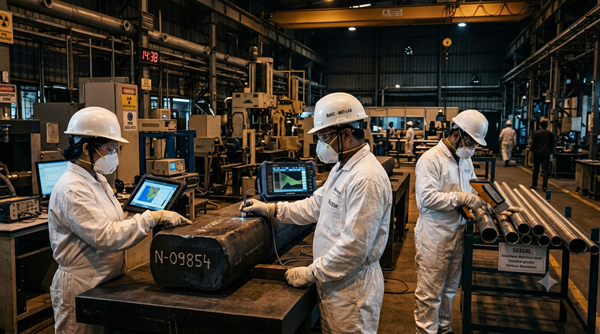
A strong nuclear supply base requires more than available capacity. It also needs demonstrable quality. Material traceability is central to this process. Suppliers must maintain records that connect the delivered product to its material specification, manufacturing history, inspection results and required certifications. The exact records depend on the contract and applicable quality requirements. Quality assurance must extend across the supply chain. A qualified prime contractor cannot fully manage risk if its sub-suppliers lack process control, document management or effective non-conformance procedures.
Manufacturers should assess their readiness in five areas:
- Material control: Verify approved grades, specifications, certificates and traceability.
- Process capability: Demonstrate control over forming, welding, heat treatment, machining and other applicable operations.
- Inspection and testing: Maintain suitable facilities, qualified personnel and required inspection records.
- Supplier qualification: Understand customer approval processes and applicable nuclear codes and standards.
- Delivery planning: Secure raw materials early and monitor sub-supplier schedules, production capacity and working capital.
For MSMEs, partnerships with established nuclear vendors can provide a practical route into the sector. However, smaller suppliers must build the necessary systems before accepting work that exceeds their qualified capabilities.
Securing the supply base for future growth
India’s nuclear expansion presents a long-term opportunity for the domestic manufacturing industry. However, the benefits will depend on whether suppliers can deliver the right materials and components at the required quality, quantity and time. Nuclear-grade materials must therefore become a strategic procurement priority. Project developers need better visibility of critical items, while manufacturers need a clearer understanding of future demand and qualification requirements.
Industry collaboration can help identify capability gaps, develop additional qualified suppliers and support investment in specialised manufacturing infrastructure. Procurement decisions should also consider lifecycle support, replacement availability and the long-term reliability of the supply base.
Ultimately, a resilient nuclear supply chain is built well before equipment reaches the construction site. It begins with material selection, continues through controlled manufacturing and inspection, and depends on reliable delivery at every stage. For Indian suppliers, the opportunity is not simply to manufacture more. It is to develop the capabilities, quality systems and supply partnerships needed to support nuclear projects over decades of construction and operation.
Source
- 1) https://www.npcil.nic.in/content/925_1_Overview.aspx (Provides the project and capacity context for India’s nuclear build-out.)
- 2) https://www.bhel.com/node/157724 (Supports the discussion of domestic heavy-engineering capability)
- 3) https://www.iaea.org/sites/default/files/gc/gov-inf-2025-8-gc69-inf-4.pdf (Covers lead times, supplier capability, workforce and qualification challenges.)