
India’s 100 GWe nuclear power/ nuclear energy target will depend on indigenous technology, energy security and stronger domestic manufacturing.
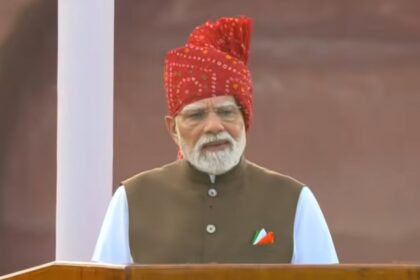
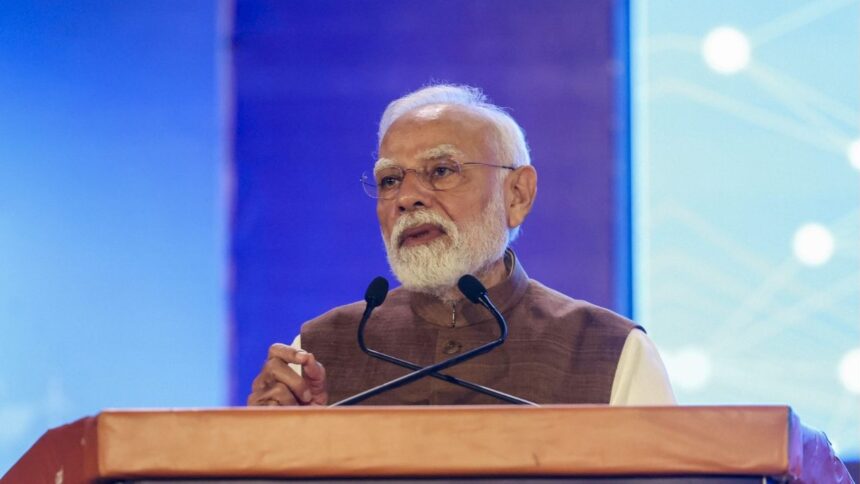
Prime Minister Narendra Modi has placed nuclear energy at the centre of India’s technological ambitions. He highlighted its importance to energy security and the vision of Viksit Bharat 2047. Speaking at the Emerging Science, Technology and Innovation Conclave (ESTIC) 2026, Modi began his review of recent technological achievements with the nuclear sector. He highlighted India’s progress in Fast Breeder Reactor technology. He also stressed the need to reduce strategic vulnerabilities in nuclear fuel supplies.
The message was clear. India needs to expand its nuclear power capacity while strengthening its technological self-reliance.
PFBR Milestone Strengthens India’s Nuclear Energy Capabilities
Prime Minister highlighted the first criticality of India’s indigenous 500 MWe Prototype Fast Breeder Reactor (PFBR) at Kalpakkam, Tamil Nadu. The reactor achieved first criticality on April 6, 2026. This marked the start of a sustained nuclear chain reaction. It was also a major milestone in India’s three-stage nuclear power programme.
PFBR was developed by the Indira Gandhi Centre for Atomic Research (IGCAR) and built by Bharatiya Nabhikiya Vidyut Nigam Limited (BHAVINI). Project demonstrates India’s capabilities in reactor design, engineering and construction. More importantly, it advances the second stage of the country’s nuclear programme. India aims to use this stage to support the eventual utilisation of its vast thorium resources.
However, first criticality does not mean that the reactor has entered commercial operation. Further commissioning and regulatory steps are required before commercial operations can begin.
India’s 100 GW Nuclear Energy Target: A Major Challenge
India aims to achieve 100 GWe of nuclear power capacity by 2047. However, reaching this target will require a substantial expansion of the country’s nuclear fleet. India’s installed nuclear capacity stood at approximately 8.78 GWe as of October 2026. Therefore, the country must increase its nuclear energy capacity more than elevenfold to reach the 100 GWe target. This expansion will require sustained investment and faster project execution. It will also depend on reliable fuel supplies, skilled workers and a stronger domestic manufacturing base.
Meanwhile, India is pursuing several reactor technologies. These include indigenous 700 MWe pressurised heavy water reactors, Fast Breeder Reactors and small modular reactors. The government has also highlighted the importance of private sector participation in nuclear power development. As a result, the industry must prepare for a larger project pipeline. Standardised reactor designs and repeat manufacturing could help improve efficiency. They could also support more predictable project schedules. However, timely approvals, construction progress and equipment delivery will remain critical to achieving the target.
Domestic Manufacturing Will Be Critical
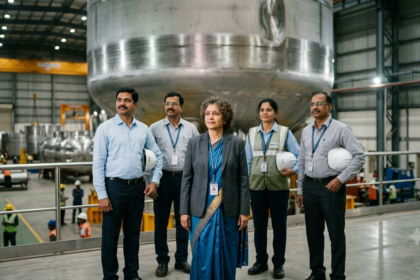
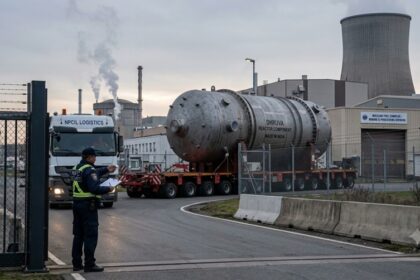
India’s nuclear expansion will require more than new reactor technologies. It will also need a strong industrial ecosystem capable of supporting projects at scale. This creates opportunities for Indian manufacturers and engineering companies. Key areas include heavy engineering, specialised materials, nuclear-grade forgings, reactor components, instrumentation and control systems. Electrical equipment suppliers and engineering, procurement and construction (EPC) companies could also play important roles.
However, entering the nuclear supply chain requires more than manufacturing capacity. Suppliers must meet strict requirements for quality assurance, traceability, documentation and regulatory compliance. Therefore, Indian companies must invest in technical capabilities and develop the systems needed to meet nuclear industry standards.
At the same time, stronger coordination between nuclear operators, technology developers and manufacturers will be essential. Such collaboration could help improve delivery timelines and strengthen domestic sourcing. PFBR milestone demonstrates India’s growing technological capabilities. The next challenge is to translate these capabilities into a wider program of nuclear power deployment.
Nuclear Energy : From Technology Adoption to Global Leadership
Modi also highlighted India’s ambition to move beyond adopting foreign technologies. The country aims to develop its own solutions for domestic and international markets. His review covered achievements in space technology, satellite docking, semiconductors, artificial intelligence and battery storage. These developments reflect India’s growing focus on critical technologies.
For the nuclear sector, the objective is equally significant. India must combine scientific expertise with manufacturing strength and investment. This will help the country develop indigenous technologies and deploy them at scale. However, technological progress alone will not be enough. The industry must also deliver projects on time and build the capacity needed to support long-term growth.
What Lies Ahead for India’s Nuclear Industry?
The PFBR’s first criticality marks an important step in India’s nuclear journey. It strengthens indigenous technological capabilities and advances the country’s long-term nuclear programme. Nevertheless, achieving 100 GW of nuclear power capacity by 2047 will require a broader industrial transformation.
India must expand its reactor fleet while strengthening domestic manufacturing, developing skilled talent and securing reliable fuel supplies. It must also create an environment that supports investment and efficient project execution. Modi’s nuclear-first review at ESTIC 2026 underlines the strategic importance of these priorities. For India’s nuclear industry, the next phase will be about turning technological achievements into operational reactors, stronger supply chains and reliable electricity generation.
Source – https://www.pib.gov.in/PressReleseDetailm.aspx?PRID=2329164&lang=2®=48