
As India moves toward its goal of 100 GWe of nuclear power capacity by 2047, safety and security remain central to the country’s nuclear programme. While discussions often focus on reactors, technology, and investments, stakeholders believe that strong security systems and worker protection measures (Nuclear Security and Safety) are equally important for long-term success.
Strengthening Nuclear Cybersecurity
The growing use of digital systems has increased the importance of cybersecurity across critical infrastructure sectors. Nuclear facilities are no exception. Industry stakeholders note that cyber threats continue to evolve and require continuous attention throughout the life of a project.
Consequently, stakeholders have recommended a dedicated nuclear cybersecurity framework supported by clear regulatory requirements and defined incident-response procedures. They also support regular security audits and stronger coordination among agencies responsible for cybersecurity and critical infrastructure protection.
Furthermore, participants emphasize the need to protect Nuclear Security and Safety-related operational systems through robust technical safeguards and internationally accepted security practices.
Enhancing Physical Protection
Physical security is another area receiving increased attention as India’s nuclear programme expands. Stakeholders point out that nuclear facilities require specialized protection arrangements due to their strategic importance.
Therefore, industry participants support clear security frameworks covering armed protection, personnel reliability, anti-drone measures, insider-threat prevention, and supply-chain security. They also recommend periodic reviews involving security agencies and regulatory authorities to ensure that protection systems remain effective against emerging threats.
Nuclear Security and Safety : Protecting the Nuclear Workforce
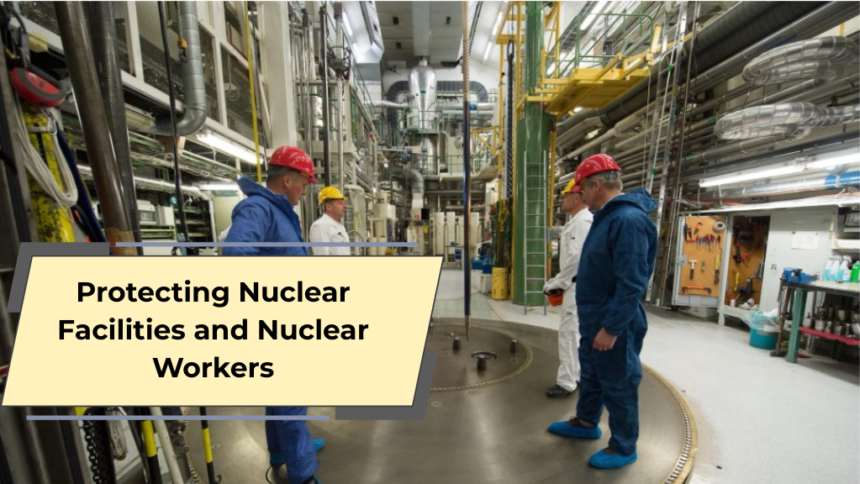
The nuclear community also places strong emphasis on worker safety. Stakeholders believe radiation protection standards should be consistent across all operators and should apply equally to permanent and contract workers.
In addition, industry participants support stronger health monitoring programmes and improved management of radiation exposure records. A national system that allows workers to maintain portable dose records throughout their careers is viewed as an important step toward enhancing workforce protection.
Stakeholders also recommend long-term health surveillance programmes and dedicated support mechanisms for workers affected by occupational radiation exposure.
| Recommendation Area | Concern | Expectation |
|---|---|---|
| Physical and Cybersecurity Framework | Nuclear facilities are critical national infrastructure and face evolving cyber threats. Stakeholders seek greater clarity on security regulations, responsibilities, and coordination mechanisms, especially for future private operators. | Establish a dedicated nuclear cybersecurity framework. Align licensing requirements with AERB security guidance and international standards. Develop a Nuclear Sector Cyber Incident Response Protocol involving AERB, CERT-In, and NCIIPC. Conduct periodic security audits and strengthen protection of critical operational systems. |
| Physical Security & CISF Deployment | Nuclear facilities require specialized armed protection that can only be provided by designated central security forces. Future operators require clarity regarding security arrangements and personnel screening requirements. | Classify nuclear facilities as protected areas with CISF deployment based on prescribed security requirements. Establish personnel reliability programmes, anti-drone measures, insider-threat mitigation systems, and periodic joint security reviews involving relevant agencies. |
| Radiation Worker Health & Safety | Worker protection standards should remain consistent across operators, contractors, and different stages of employment. Long-term health monitoring and radiation exposure management are important concerns. | Strengthen radiation protection programmes through national worker registries, portable dose records, health surveillance systems, certified radiation protection professionals, and dedicated compensation mechanisms. Ensure equal protection standards for both permanent and contract workers. |
Nuclear Security and Safety : A Foundation for Sustainable Growth
Industry stakeholders agree that public confidence in nuclear energy depends on maintaining high standards of safety and security. As the sector grows, cybersecurity, physical protection, and workforce safety will become even more important.
By strengthening these areas, India can support future nuclear expansion while protecting critical infrastructure, safeguarding workers, and maintaining public trust. Stakeholders believe these measures will be essential for the successful implementation of Mission 100 GWe and the long-term growth of the country’s nuclear energy programme.
This article is based on policy recommendations from the India Nuclear Energy Forum (INEF) 2026, held at IIT Bombay on 29–30 May 2026. The recommendations reflect the collective views of India’s nuclear community on strengthening licensing, siting, and regulatory frameworks to support Mission 100 GWe by 2047.