By using this site, you agree to the Privacy Policy and Terms of Use.
Accept
Magazine Nuclear in
  • Home
  • News
  • Insights
  • Magazine
  • Interviews
  • Events
  • Advertise
  • Contact
Reading: PFBR 1st Criticality Advances India’s Nuclear Future
SUBSCRIBE
Magazine Nuclear inMagazine Nuclear in
Font ResizerAa
  • Advertise
  • Insights
  • Magazine
  • Interviews
  • Events
Search
  • Home
  • News
  • Insights
  • Magazine
  • Interviews
  • Events
  • Advertise
  • Contact
Have an existing account? Sign In
Follow US
  • Home
  • Partnership
  • Editorial
  • Advertisement
Magazine Nuclear in > Blog > Insights > Technology Developments > PFBR 1st Criticality Advances India’s Nuclear Future
InsightsTechnology Developments

PFBR 1st Criticality Advances India’s Nuclear Future

Editor - Nuclear.IN Magazine
Last updated: 1 August, 2026 9:42 am
Editor - Nuclear.IN Magazine
2 Min Read
Share
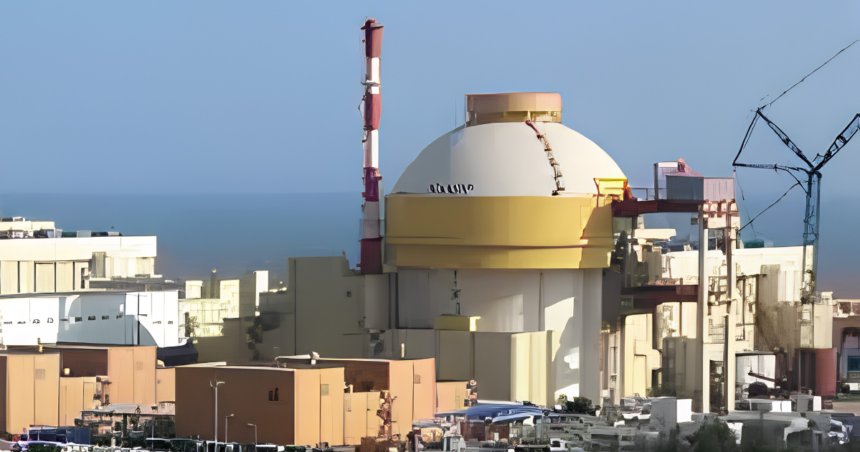
PFBR 1st Criticality Kalpakam
SHARE

India has achieved a major milestone in nuclear energy. The 500 MWe Prototype Fast Breeder Reactor (PFBR) at Kalpakkam has achieved PFBR 1st Criticality, marking the start of a self-sustaining nuclear chain reaction. The achievement is a significant step in India’s three-stage nuclear power programme and strengthens the country’s long-term energy security.

Contents
  • What Happened at Kalpakkam?
  • What Does First Criticality Mean?
  • Why Is PFBR Unique?
  • PFBR and India’s Three-Stage Nuclear Programme
  • What Happens Next?
  • Why This Milestone Matters

What Happened at Kalpakkam?

The PFBR achieved first criticality after years of design, construction, testing, and commissioning. Developed by IGCAR and built by BHAVINI, the reactor is located at Kalpakkam, Tamil Nadu. It is India’s first commercial-scale Fast Breeder Reactor.

What Does First Criticality Mean?

First criticality is the stage at which a reactor achieves a self-sustaining nuclear chain reaction. It confirms that the reactor core is functioning as designed. This is one of the most important milestones before electricity generation begins.

Why Is PFBR Unique?

PFBR is a Fast Breeder Reactor (FBR). Unlike conventional reactors, it can generate more fissile fuel than it consumes. This improves fuel utilization and supports long-term energy security. The reactor uses MOX fuel and liquid sodium coolant.

PFBR and India’s Three-Stage Nuclear Programme

India’s nuclear programme, envisioned by Dr. Homi J. Bhabha, follows a three-stage approach:

Stage 1 – Pressurized Heavy Water Reactors (PHWRs)

Stage 2 – Fast Breeder Reactors, including PFBR

Stage 3 – Thorium-based reactors

PFBR is a critical link between the second and third stages of the programme.

What Happens Next?

The reactor will undergo additional testing and power-raising operations. Following successful commissioning, it will begin commercial electricity generation. The experience gained will support future deployment of fast breeder reactors in India.

Why This Milestone Matters

  • Strengthens India’s energy security
  • Advances the three-stage nuclear programme
  • Improves long-term fuel sustainability
  • Demonstrates India’s advanced reactor capabilities
  • Supports future nuclear capacity expansion

PFBR 1st Criticality is more than a reactor milestone. It marks India’s progress in advanced nuclear technology and its journey towards a secure and sustainable nuclear energy future.

TAGGED:Advanced ReactorsBHAVINIEnergy SecurityFast Breeder ReactorHomi BhabhaIGCARKalpakkamNuclear Energy IndiaNuclear InnovationNuclear PowerNuclear TechnologyPFBRPFBR 1st CriticalityThree-Stage Nuclear Programme
Share This Article
Facebook Whatsapp Whatsapp Email Copy Link Print
Previous Article India Nuclear Policy Recommendations India Nuclear Policy Recommendations: Executive Summary
Next Article India Nuclear Mission, Nuclear Energy India, NUDEC, NUMID, Nuclear Power Development, Nuclear Policy Recommendations, Nuclear Business India Nuclear Mission: Industry Vision and Reforms
Leave a Comment Leave a Comment

Leave a Reply Cancel reply

Your email address will not be published. Required fields are marked *

- Sponsored-
Ad image
0FollowersLike
InstagramFollow
YoutubeSubscribe
LinkedInFollow

You Might Also Like

Draft SHANTI Rules
Government NotificationsInsightsNewsPolicy Discussions

Draft SHANTI Rules: What Operators, Suppliers and Developers Need to Know

Draft SHANTI Rules explained: what the proposed nuclear framework means…

11 Min Read
DAE, NPCIL Hold First Security Conclave
Industry UpdatesNewsNuclear Policy

Nuclear Security Takes Centre Stage at DAE Meet

DAE and NPCIL host the first Security Conclave in Mumbai…

2 Min Read
Building Investor and Public Confidence in Nuclear Power
InsightsPolicy Discussions

Building Investor and Public Confidence in Nuclear Power

Investor and Public Confidence in Nuclear Power can unlock investment…

7 Min Read
Nuclear Tariff Reforms for Long-Term Growth
Blog

Nuclear Tariff Framework Key to India’s Nuclear Expansion

Nuclear Tariff Framework reforms aim to improve financing, reduce risks,…

6 Min Read
  • Quick Links
  • About Us
  • Advertise
  • Partnership
  • Terms of Use
  • Privacy Policy
  • Cookie Policy
  • Editorial Policy
Magazine Nuclear inMagazine Nuclear in
Follow US
Join Us!
Subscribe to our newsletter and never miss our latest news, podcasts etc.. Subscribe
Zero spam, Unsubscribe at any time.
Welcome Back!

Sign in to your account

Username or Email Address
Password

Lost your password?