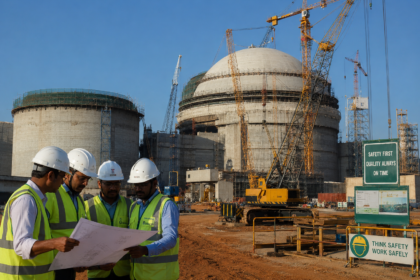

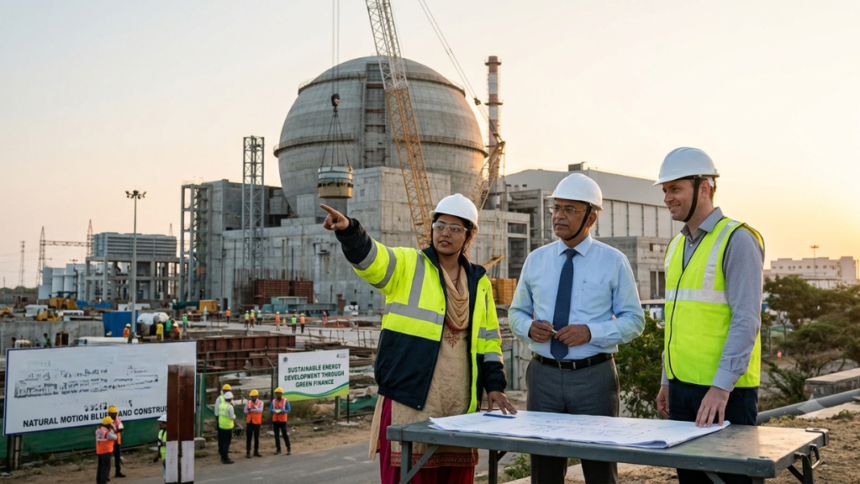
Nuclear Project Economics will play a major role in India’s effort to achieve 100 GWe of nuclear power capacity by 2047. While technology and policy reforms remain important, financing costs can significantly influence project viability. Therefore, industry stakeholders are seeking changes that can reduce capital costs and improve access to investment.
They argue that nuclear energy should receive treatment similar to other clean energy technologies. Consequently, reforms in green finance, taxation, and capital structure could improve project economics and attract long-term investors.
Green Finance Access Can Expand Investment Opportunities
Global investors are increasingly allocating capital through green and sustainable finance frameworks. However, nuclear energy currently remains outside many green investment categories in India. As a result, nuclear projects cannot access a significant portion of climate-focused capital. Stakeholders therefore recommend recognising nuclear energy as a transition-finance eligible activity within India’s green taxonomy and green debt frameworks.
Such recognition can help nuclear developers access:
- Green bonds
- Sustainability-linked loans
- ESG-focused investment funds
- Climate finance instruments
Industry experts point to international examples where nuclear energy has gained recognition within sustainable finance frameworks. They believe similar measures can help India attract new sources of capital for nuclear infrastructure. In addition, stakeholders recommend introducing clear capital structure norms for nuclear projects.
At present, financing arrangements often require project-specific negotiations. Consequently, lenders face uncertainty during project evaluation. A standard framework covering debt-equity ratios, foreign currency borrowing limits, promoter commitments, and refinancing rules can improve transparency and reduce transaction costs.
Tax Parity Can Improve Project Competitiveness
Industry stakeholders also highlight taxation as an important factor affecting project costs. They note that nuclear equipment and project services face tax burdens that can increase overall project expenditure. Meanwhile, several other clean energy technologies benefit from more favourable tax treatment. Therefore, stakeholders recommend creating a competitive tax framework for nuclear power projects.
The proposed measures include:
- Lower GST rates for nuclear power projects
- Customs duty relief on specialised nuclear equipment
- Project-import benefits during construction
- Generation-stage tax incentives through new legislation
According to industry experts, these measures can lower project costs and improve investment returns. Furthermore, tax parity can help create a level playing field among different clean energy technologies.
Nuclear Project Economics: Taxation, Green Finance and Capital Structure
| Recommendation Area | Concern | Expectation |
|---|---|---|
| Green & Transition Finance Eligibility | Nuclear energy remains outside India’s sovereign green bond framework and many ESG-linked investment mandates. As a result, nuclear projects cannot access a significant pool of global green and sustainable finance. | Recognise nuclear energy as a transition-finance eligible activity within India’s green taxonomy and green debt frameworks. The Ministry of Finance and SEBI should enable nuclear projects to access green bonds, sustainability-linked finance, and other climate-focused investment instruments. |
| Codified Capital Structure Norms | The absence of standard financing norms forces project developers and lenders to negotiate financial structures on a project-by-project basis. This increases uncertainty and transaction costs. | Establish clear capital structure norms in the regulatory framework. These may include debt-to-equity ratios of up to 75:25, foreign currency debt limits up to 50% of total debt, promoter equity lock-in requirements, and defined refinancing eligibility timelines. Allow capitalisation of interest during construction in line with existing accounting and tariff regulations. |
| GST, Customs Duty and Direct Tax Parity | Nuclear power projects face higher tax costs than some other clean energy technologies. Nuclear equipment and EPC services attract higher GST rates, while dedicated tax incentives available to other sectors are limited or unavailable. | Create a competitive tax framework for nuclear power. This may include a lower GST rate for nuclear power projects, customs duty and project-import relief for nuclear-specific equipment during construction, and generation-stage tax incentives through new statutory provisions. |
| Nuclear Project Economics Expected Outcome | Limited access to green finance, financing uncertainty, and higher tax burdens can increase project costs and reduce investor interest. | Green finance eligibility, clear financing norms, and tax parity can lower the cost of capital, improve project economics, attract sustainable investment, and support India’s goal of achieving 100 GWe of nuclear power capacity by 2047. |
Industry stakeholders believe that reforms in green finance, capital structure regulations, and taxation can significantly strengthen Nuclear Project Economics. Such measures can improve investor confidence, lower financing costs, and attract larger pools of domestic and international capital. Ultimately, they can help create a stronger financial foundation for India’s long-term nuclear energy expansion and its Mission 100 GWe objective.
These recommendations emerged from INEF 2026 discussions and represent the collective voice of stakeholders working to advance India’s nuclear energy ambitions.