

India’s proposed nuclear safety framework (Draft SHANTI Rules 2026 and Draft SHANTI Regulations 2026) has important implications for manufacturers, engineering companies, equipment suppliers and technology developers preparing to enter the expanding nuclear sector.
India’s nuclear energy expansion will create significant opportunities for domestic manufacturers, engineering companies, equipment suppliers and technology developers. However, participating in the nuclear industry will require more than manufacturing capability. Companies must understand the regulatory framework, technical expectations and quality requirements applicable to their activities. In this context, the Draft SHANTI Regulations, 2026, issued by the Atomic Energy Regulatory Board (AERB), deserve particular attention. The proposed regulations form an important part of the implementation framework under the Sustainable Harnessing and Advancement of Nuclear Energy for Transforming India (SHANTI) Act, 2025. For the industrial supply chain, understanding their scope and implications will be an important step towards nuclear-sector preparedness.
Draft SHANTI Regulations: Understanding the Proposed Regulatory Framework
The SHANTI Act establishes the broader legislative framework for India’s nuclear sector. The Draft SHANTI Rules, 2026, and Draft SHANTI Regulations, 2026, address different aspects of its implementation. While the Draft Rules deal with licensing and related responsibilities, the Draft Regulations establish the proposed safety authorisation framework under AERB.
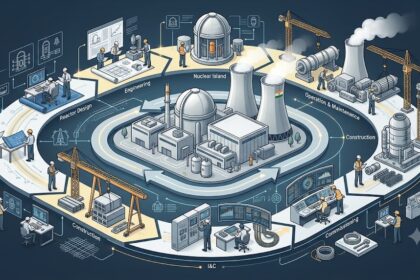
Schedule I of the Draft Regulations identifies four broad categories requiring safety authorisation: nuclear power plants and reactors, other nuclear facilities, uranium and thorium mines, and radiation facilities. For nuclear power plants and reactors, the proposed framework provides for design approval followed by authorisations covering siting, construction, commissioning, operation and decommissioning. This stage-wise approach makes safety assessment and regulatory oversight important throughout a facility’s lifecycle.
Draft SHANTI Regulations: What This Means for Nuclear Suppliers
Although not every industrial supplier will require an individual regulatory authorisation, companies participating in nuclear projects must understand the requirements applicable to their products, services and contractual responsibilities. Equipment and components used in nuclear facilities must satisfy the applicable design, manufacturing, inspection, testing and quality requirements. This makes quality assurance, material traceability and manufacturing documentation important considerations for suppliers. Companies should examine their capabilities in areas such as:
- Quality assurance and quality control.
- Material identification and traceability.
- Design verification and engineering documentation.
- Manufacturing process controls.
- Inspection and testing procedures.
- Non-conformance and corrective-action management.
- Supplier and subcontractor evaluation.
- Personnel competence and training.
Standards such as ISO 19443, ISO 9001, ASME and other relevant technical codes may support supplier preparedness, depending on the product, application and contractual specifications. However, compliance with a particular standard should not be confused with automatic regulatory approval or qualification.
Design Approval and Regulatory Hold Points
One important feature of the proposed framework is its emphasis on design approval and stage-wise safety authorisation. Regulations 45–47 provide for regulatory review, safety assessment, inspections and regulatory hold points. These may include important project milestones such as the first concrete pour and first fuel loading or approach to criticality, subject to the Board’s requirements.
For manufacturers and engineering contractors, such provisions highlight the importance of coordinating engineering deliverables, inspection records, quality documentation and technical approvals with project schedules. Delays in documentation, testing or design-related submissions can affect project execution. Suppliers should therefore understand the quality and documentation requirements before accepting nuclear-related contracts.
Opportunities for Indian Manufacturers
India has an established industrial base in heavy engineering, metallurgy, precision machining, electrical systems, instrumentation, automation and specialised fabrication. These capabilities can support the development of a stronger domestic nuclear supply chain. However, experience in conventional power, oil and gas, aerospace or heavy manufacturing does not automatically establish readiness for nuclear applications. Companies may need to strengthen their quality-management systems, manufacturing controls, engineering documentation, inspection capabilities and supplier-management processes. Technology developers and smaller manufacturers should also examine the regulatory requirements relevant to their proposed activities before committing resources to nuclear-sector entry.
Preparing for Nuclear-Sector Participation
Manufacturers should begin with a structured assessment of their existing capabilities against the requirements of their intended nuclear applications. This should include reviewing applicable technical codes, quality systems, material traceability, personnel competence, documentation practices and subcontractor controls. Companies should also distinguish between requirements arising from legislation and regulations, AERB authorisations, project specifications and contractual obligations. The final notified provisions must be monitored before businesses make compliance or investment decisions based on the consultation drafts.
Building a Reliable Nuclear Supply Chain
India’s nuclear ambitions will require a dependable domestic industrial ecosystem capable of delivering equipment, components, materials and engineering services to demanding standards. The Draft SHANTI Regulations, 2026, provide an important indication of the proposed safety authorisation and oversight framework. For Indian suppliers, the message is clear: nuclear-sector opportunities must be supported by technical competence, quality assurance, traceability, safety and accountability. Companies that begin strengthening these capabilities today will be better prepared to participate in India’s evolving nuclear energy ecosystem.