
Expanding nuclear energy applications across industries, data centres, remote locations and infrastructure could create opportunities beyond conventional power generation. India’s ambition to achieve 100 GWe of nuclear power capacity by 2047 could be just the beginning of a much larger opportunity. This will depend on how far the country can expand nuclear energy into new areas beyond electricity generation.
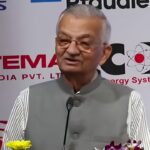
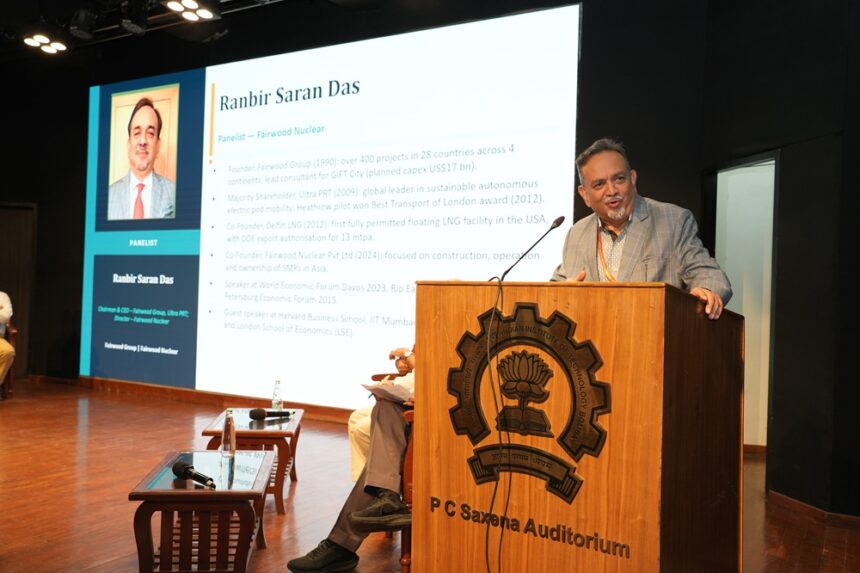
This was the view shared by Mr. Nuclear Energy Ranbir Sharan Das, Director, Fairwood Nuclear, at the India Nuclear Energy Forum (INEF) 2026. He highlighted the potential for nuclear energy to serve industrial facilities, data centres, remote locations and critical infrastructure. Expanding these applications could attract new investments and create more business opportunities across India’s nuclear industry.
According to him, India’s nuclear opportunity should not be measured only by the capacity of large power plants. The country must also explore smaller reactors that can meet the continuous energy needs of specific industries and facilities. A wider range of applications could also encourage more companies and investors to participate in the nuclear sector.
Looking Beyond Conventional Nuclear Power
Nuclear power development has traditionally focused on large power plants that supply electricity to the national grid. However, small modular reactors (SMRs) and micro modular reactors (MMRs) could open up new markets. Some potential applications include:
- Data centres that need a reliable and continuous power supply.
- Steel and cement industries with high electricity requirements.
- Industrial facilities looking for dedicated power sources.
- Remote locations with limited access to the electricity grid.
- Railway networks and infrastructure located far from strong grid connections.
- Defence installations and other specialised facilities.
These applications could take nuclear energy beyond conventional power plants. They could also create new opportunities for technology developers, investors and industrial suppliers.
Distributed Nuclear Energy Could Open New Markets
The investor also highlighted the potential of a distributed energy model. In this approach, smaller nuclear reactors could be located closer to the consumers who need the electricity. For example, an industrial facility or data centre could potentially use a dedicated nuclear power source to meet its continuous energy requirements. The opportunity is not limited to large industries. Remote locations, railway infrastructure and other facilities that need reliable electricity could also benefit from such solutions. This approach could expand the nuclear market by increasing the number of applications, rather than focusing only on the total capacity of nuclear power plants.
Nuclear Power : Collaboration Will Be Key to Growth
Expanding nuclear energy into new markets will require cooperation between industries, research institutions, technology developers and investors. The speaker also pointed to the challenges of navigating the growing nuclear technology landscape. Several technologies are being developed independently, making it difficult to identify which solutions are ready for commercial use. Better coordination could help address this challenge. Closer interaction between industry and research organisations would help align technology development with actual market needs. This would also make it easier for investors to identify promising opportunities and support technologies with commercial potential.
A Bigger Opportunity for India’s Nuclear Industry
India’s 100 GW nuclear ambition provides a clear direction for the country’s nuclear energy programme. However, the opportunity could extend well beyond building more nuclear power plants. It will also require new reactor technologies, stronger supply chains, suitable business models and greater investment. For India’s nuclear industry, this could mean serving a much wider market, from energy-intensive industries and data centres to remote locations and critical infrastructure. The key question is whether India can move beyond the traditional model of large, grid-connected nuclear power plants and develop nuclear energy solutions for a wider range of users. How successfully the country addresses this challenge could shape the next phase of its nuclear industry as it moves towards 2047.