
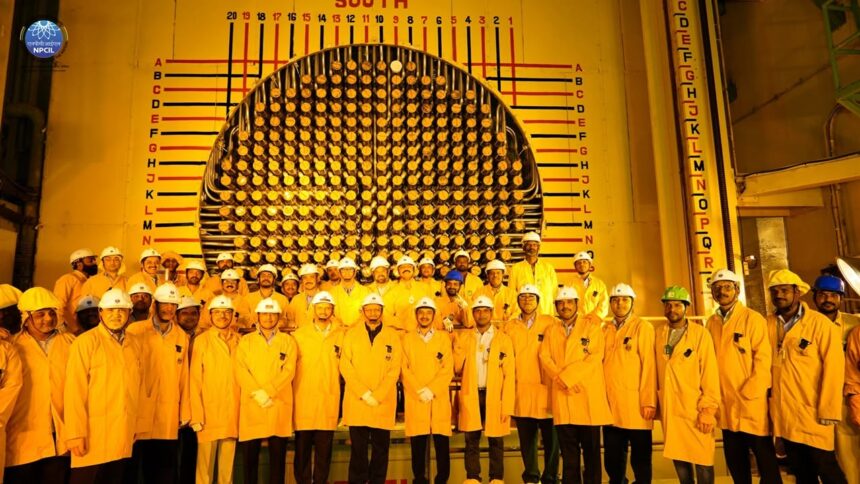
First new fuel bundle loaded after Kaiga -1 EMCCR and EMFR programme
Kaiga Generating Station Unit-1 (KGS-1) has reached an important milestone in its operating life. The unit loaded its first new fuel bundle on 13 September 2026. The milestone marks the completion of the En-Mass Coolant Channel Replacement (EMCCR) and En-Mass Feeder Replacement (EMFR) programmes. KGS-1 will now move ahead with the next stages of its restart process.
More than 25 years of operation
KGS-1 is a 220 MWe Pressurised Heavy Water Reactor (PHWR). The unit was shut down on 1 April 2025 for the major refurbishment programme. Before the shutdown, KGS-1 had completed more than 25 years of safe operation. During this period, the reactor generated about 37,670 million units (MU) of electricity. The power was supplied to the national grid.
Complex refurbishment work
EMCCR and EMFR are major engineering activities in the life cycle of a PHWR. The work at KGS-1 involved several stages. These included defuelling of the reactor, draining of heavy water, removal of existing coolant channels, installation of new coolant channels, replacement of feeders, in-core inspections, inspection of newly installed channels, fresh-fuel loading, leak testing, heavy-water filling, hydrotesting, hot conditioning, preparation for reactor criticality.
Each stage required detailed planning and technical inspection. The activities were carried out under stringent safety and quality requirements.
Fastest completion among NPCIL units
KGS-1 completed the EMCCR and EMFR programme in the shortest time among NPCIL units that have undergone these activities. The achievement reflects the experience gained by India’s nuclear sector in undertaking complex reactor refurbishment projects.
Extending the life of existing reactors
Coolant channels and feeders are important components of a PHWR. Their replacement is part of the major refurbishment process required to support the continued operation of a reactor. Such projects help maintain the performance and reliability of India’s existing nuclear fleet. They also provide valuable experience in reactor engineering, inspection, project management and nuclear safety.
Restart activities begin
Loading of the first new fuel bundle marks an important transition from refurbishment to restart. KGS-1 will now undergo the remaining steps required before returning to power. These activities will include further testing, commissioning and regulatory clearances. Reactor will have to meet all applicable safety and operational requirements before it resumes commercial operation.
Significance for India’s nuclear programme
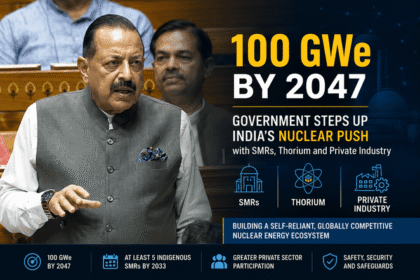
KGS-1 milestone comes as India prepares for a major expansion of nuclear power capacity. India is working towards increasing nuclear generation as part of its long-term clean-energy and energy-security strategy. Along with new reactors, maintaining and upgrading the existing fleet will remain important.
Successful refurbishment of KGS-1 demonstrates India’s capability to undertake major life-extension work on operating PHWR technology. For Kaiga-1, the latest milestone marks the beginning of the final phase of its return to service after a major engineering programme.