
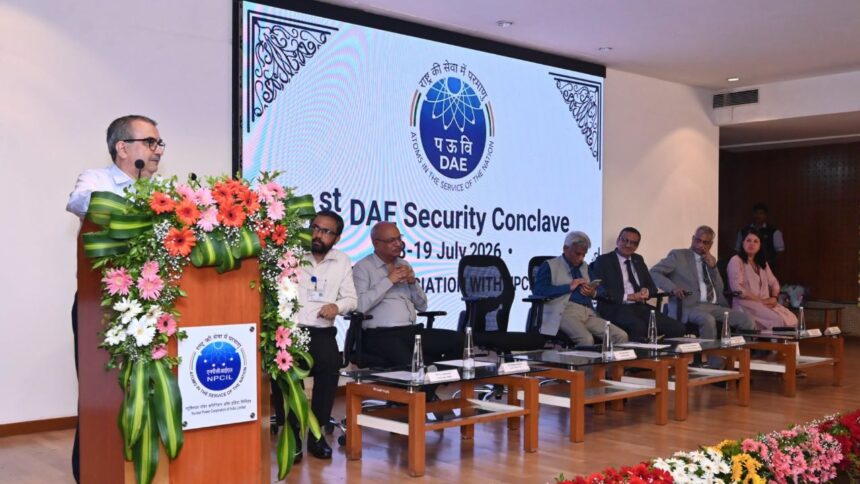
The Department of Atomic Energy (DAE), in collaboration with NPCIL, organized the 1st DAE Security Conclave in Mumbai on July 18. The event brought together senior leaders from DAE units, security agencies and intelligence organizations.
The conclave focused on emerging security threats, cyber resilience and the future of nuclear security in India.
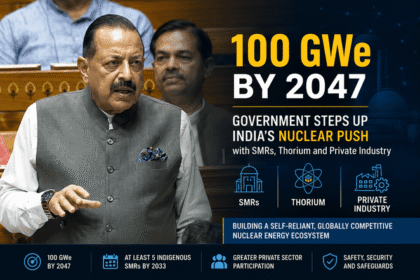
As India moves towards its goal of 100 GWe of nuclear power capacity by 2047, strong physical, cyber and information security has become increasingly important. Therefore, the conclave highlighted the need for a robust and future-ready security framework to support the country’s expanding nuclear programme.
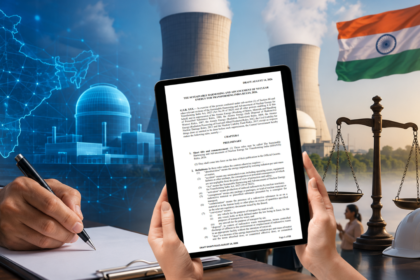
During the event, Dr. Ajit Kumar Mohanty spoke about evolving security challenges and the impact of the SHANTI Act on India’s nuclear sector.
Meanwhile, Vivek Bhasin emphasized the importance of dynamic, graded and multi-layered security systems. In addition, Rajesh Veeraraghavan discussed the security requirements of India’s growing nuclear power fleet.
The conclave also saw participation from representatives of the Intelligence Bureau, CISF and Defence Security Corps, reflecting the importance of coordinated security efforts.
Key discussions covered:
- Artificial Intelligence (AI)
- Cybersecurity
- Autonomous systems
- Critical infrastructure protection
- Intelligence coordination
- Technology-driven security solutions
The event was held at Nabhikiya Urja Bhavan, Mumbai, and brought together security professionals, administrators and leaders from DAE units and partner organizations.
Furthermore, the conclave provided a platform for knowledge sharing and collaboration. Participants discussed ways to strengthen preparedness and respond effectively to emerging security challenges.
Overall, the 1st DAE Security Conclave reflects India’s commitment to building a resilient, technology-driven and future-ready nuclear security framework. As the country’s nuclear power programme continues to expand, security will remain a key pillar supporting safe and reliable growth.