
Nuclear Power Corporation of India Limited (NPCIL) has floated tenders worth more than ₹4,316 crore for the pooled procurement of key equipment for its indigenous 700 MWe Pressurised Heavy Water Reactor (PHWR) fleet-mode programme. The move marks another step towards coordinated procurement for multiple nuclear power projects and supports India’s plans to expand domestic nuclear capacity.
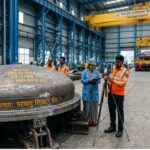
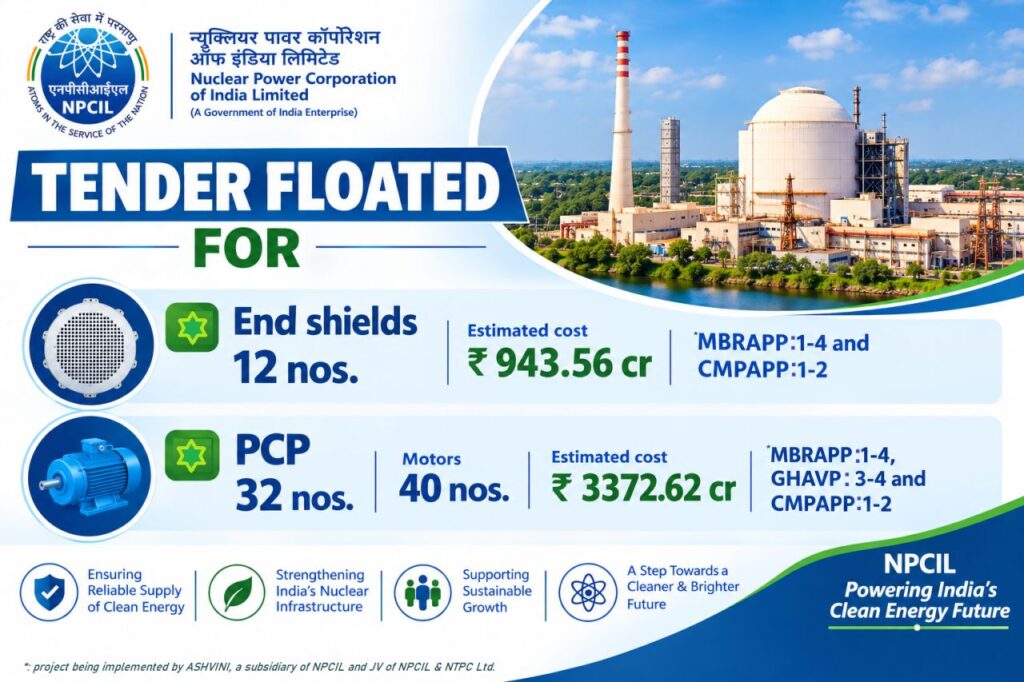
The tenders cover 12 end shields at an estimated cost of ₹943.56 crore and 32 Primary Coolant Pumps (PCPs) along with 40 motors at an estimated cost of ₹3,372.62 crore. Together, the estimated procurement value stands at ₹4,316.18 crore.
NPCIL plans to use the equipment across three project locations:
- Chutka Madhya Pradesh Atomic Power Project (CMPAPP-1 and 2): The project is part of NPCIL’s wider 700 MWe PHWR expansion programme.
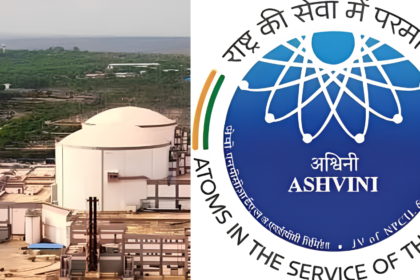
- Mahi Banswara Rajasthan Atomic Power Project (MBRAPP-1 to 4): The project is being implemented by ASHVINI, a joint venture of NPCIL and NTPC Limited.
- Gorakhpur Haryana Anu Vidyut Pariyojana (GHAVP-3 and 4): The project will add to India’s planned indigenous nuclear power capacity.
Pooled Procurement Supports Fleet-Mode Implementation
Pooled procurement allows NPCIL to coordinate equipment requirements across multiple projects rather than approach every project separately. This approach can support standardisation, improve procurement planning and provide greater visibility to equipment manufacturers and suppliers.
It also creates opportunities for qualified Indian manufacturers, fabricators, engineering companies and other nuclear supply-chain partners. However, suppliers must meet the applicable technical specifications, quality assurance requirements and nuclear-grade qualification standards.
The latest tenders highlight the scale of equipment demand emerging from India’s indigenous 700 MWe PHWR programme. As NPCIL advances multiple projects, timely equipment manufacturing and delivery will remain important to project execution.
India’s ambition to reach 100 GWe of nuclear power capacity by 2047 will require sustained investment in reactor construction, domestic manufacturing and supply-chain capabilities. Coordinated procurement across the 700 MWe fleet is one of the approaches that can help the programme prepare for this expansion.
For India’s nuclear industry, the development sends a clear signal: the next phase of growth will depend not only on reactor construction but also on the capacity of domestic suppliers to deliver critical equipment at scale.