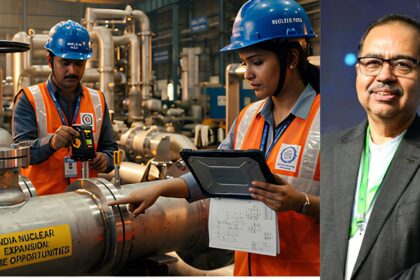

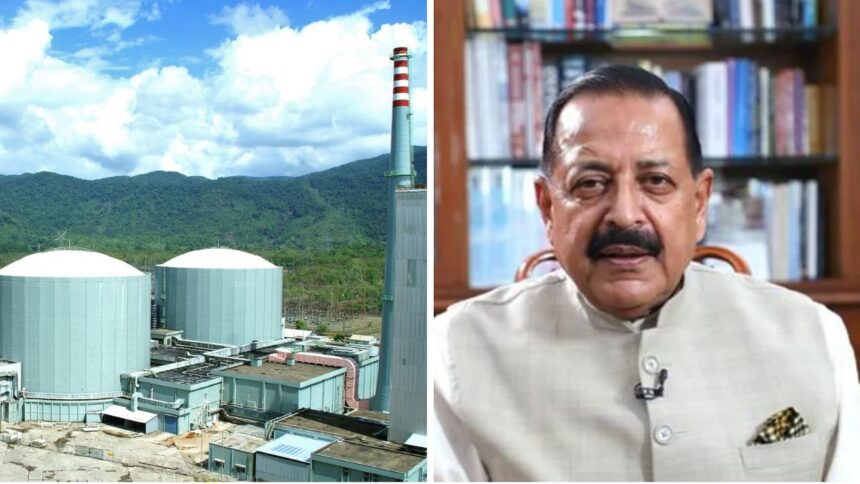
India aims to achieve 100 GWe of nuclear power capacity by 2047. It also plans to develop at least five indigenous small modular reactors (SMRs) by 2033. These targets could create new opportunities for Indian manufacturers, engineering firms and suppliers. Union Minister Dr Jitendra Singh outlined these goals in a parliamentary statement. The announcement highlights India’s focus on indigenous technologies and domestic manufacturing. It also raises an important question: Is the Indian nuclear supply chain ready to meet the growing demand?
A Bigger Role for Domestic Industry
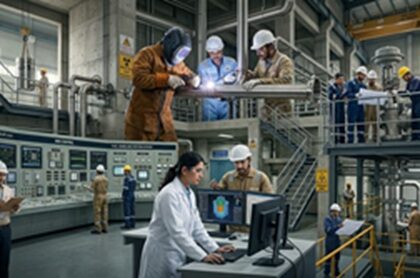
India’s nuclear expansion will require more than new reactors. It will need a strong industrial ecosystem to support design, manufacturing, construction and operations. The program could increase demand for specialised equipment, nuclear-grade materials and engineering services. It could also create opportunities for companies involved in testing, inspection and maintenance.
India’s established nuclear suppliers may see opportunities to expand their capabilities. New entrants from heavy engineering, electrical equipment and other industrial sectors may also explore the market. However, nuclear manufacturing has strict technical requirements. Suppliers must demonstrate quality, reliability and traceability. Experience in conventional industries can help, but nuclear qualification remains essential.
Where Can Manufacturers Find Opportunities in SMRs?
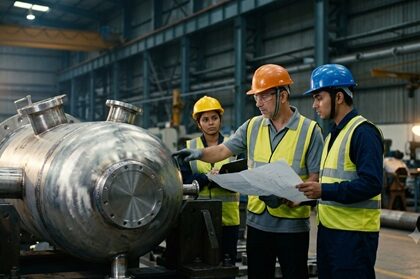
Heavy engineering and components: Reactor projects require precision-manufactured components, specialised fabrication and heavy engineering. Qualified manufacturers could benefit from increased procurement.
Materials and fabrication: Nuclear applications require controlled materials, approved welding procedures and detailed inspection records. Suppliers must meet the specifications applicable to each component.
Electrical and instrumentation systems: Nuclear plants need reliable electrical equipment, control systems, cabling and instrumentation. Suppliers must demonstrate compliance with relevant technical requirements.
Testing and inspection: Non-destructive examination, material testing and calibration support nuclear quality assurance. These services will remain important throughout construction and plant operations.
Construction and engineering: Civil works, installation and commissioning offer opportunities for experienced engineering firms. Companies must also meet strict project and quality requirements.
Maintenance and lifecycle support: Nuclear plants require spare parts, inspections, refurbishment and technical services throughout their operating lives. This creates opportunities beyond initial construction.
Five Indigenous SMRs: A New Manufacturing Opportunity
The target of five indigenous SMRs by 2033 adds another dimension to India’s nuclear ambitions. Smaller reactor designs could support standardised components and repeatable manufacturing processes. Factory-based production may also improve coordination between designers and suppliers.
However, these benefits depend on design maturity and project execution. Regulatory requirements, costs and procurement schedules will also influence commercial opportunities. Manufacturers should therefore look beyond immediate tenders. They should assess their technical capabilities and identify potential partnerships with reactor developers.
The Challenge: Qualification and Delivery
Expanding nuclear manufacturing requires investment, planning and skilled personnel. Companies must prepare for long procurement cycles and demanding quality requirements. Material traceability is particularly important. Suppliers must maintain accurate records of materials, manufacturing processes and inspections. Certification alone does not guarantee approval for every nuclear application.
The industry also needs better visibility into future demand. Manufacturers may hesitate to invest without clearer project schedules and procurement plans. Tier-one suppliers must coordinate closely with their own supply chains. Delays in specialised components can affect wider project schedules. For MSMEs, a practical starting point is to identify specific products or services that match their existing capabilities. They can then assess the additional qualification, equipment and training required.
Preparing for the Road to 2047
India’s nuclear targets present a long-term industrial challenge. Achieving them will require stronger domestic manufacturing and a reliable network of qualified suppliers. Large manufacturers may need to expand capacity and strengthen nuclear-specific quality systems. MSMEs can explore specialised components, testing and engineering services. Research institutions can support technology development and skills.
Industry associations can also connect buyers with potential suppliers. Better communication about technical requirements and procurement plans would help companies prepare. India’s nuclear expansion will depend not only on building reactors, but also on developing a supply chain that can deliver safely, reliably and at scale. For Indian manufacturers and suppliers, preparation must begin well before the major procurement opportunities arrive. The capabilities developed today could shape their role in the nuclear industry through 2047.