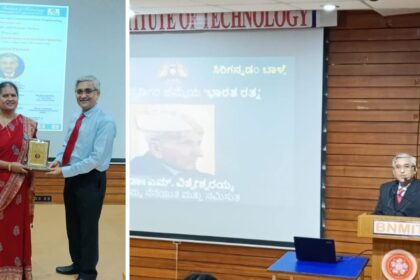

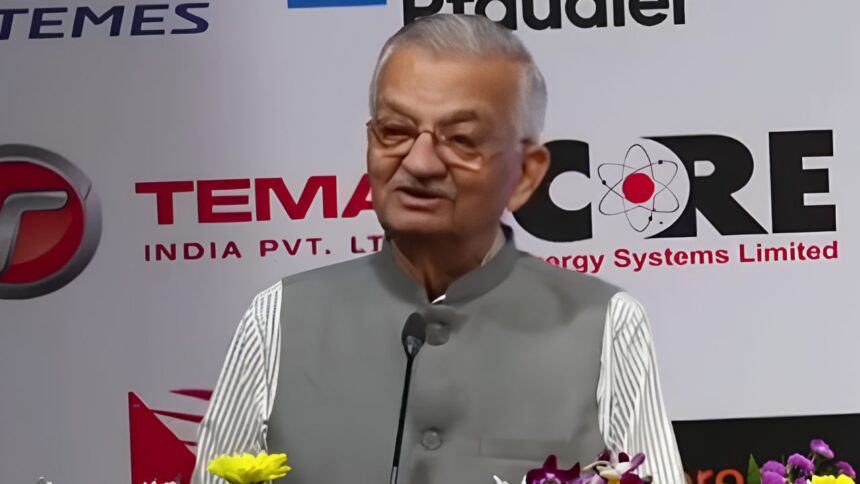
Mumbai: Dr. Anil Kakodkar, former Chairman of the Atomic Energy Commission, has called for renewed efforts to advance India’s thorium utilisation programme. He stressed that improved uranium availability should not weaken the country’s long-term commitment to thorium.
Speaking at the inaugural session of INSAC-2026 in Mumbai (October 29), Kakodkar highlighted the importance of India’s three-stage nuclear power programme and its closed fuel cycle strategy. He said the time had come to implement the actions needed to accelerate thorium utilisation.
Thorium Remains Central to India’s Nuclear Strategy
India has limited domestic uranium resources but substantial thorium reserves. This resource profile shaped the three-stage nuclear programme envisioned by Dr. Homi J. Bhabha. Dr Anil Kakodkar recalled that Bhabha had recognised the importance of building India’s long-term energy strategy around thorium. He also cautioned against becoming complacent following improvements in access to imported uranium. According to Kakodkar, securing uranium supplies through international cooperation should support—not replace—India’s ambition to develop a thorium-based fuel cycle.
Thorium Programme: Closed Fuel Cycle Is Key to Thorium Utilisation
India’s three-stage programme is based on a closed nuclear fuel cycle. It aims to progressively use domestic uranium, plutonium recovered from spent fuel and, eventually, thorium. The first stage uses natural uranium in Pressurised Heavy Water Reactors (PHWRs). The spent fuel from these reactors provides plutonium for the second stage, which uses Fast Breeder Reactors (FBRs).
In the third stage, thorium-232 will be converted into fissile uranium-233, which can then be used as reactor fuel. Dr. Kakodkar emphasised that thorium utilisation depends on recycling. Unlike conventional uranium fuel use, thorium cannot be deployed as a sustainable fuel source without the technologies needed to breed, recover and recycle uranium-233.
Time to Accelerate the Thorium Programme
Dr. Anil Kakodkar also recalled concerns expressed by former President Dr. A.P.J. Abdul Kalam that improved uranium supplies could cause India to lose focus on its thorium ambition. He said he had assured Kalam that access to uranium would instead help accelerate thorium utilisation. His message at INSAC-2026 was clear: India must continue its core three-stage programme while pursuing its larger nuclear energy ambitions. Advancing thorium technologies will remain important to the country’s long-term energy security and fuel sustainability. As India moves further into the second stage of its nuclear programme, developing the technologies and fuel-cycle capabilities required for thorium utilisation will be a critical part of the journey.