
India plans to build 100 GWe of nuclear power capacity by 2047. However, new reactors alone will not achieve this goal. The country will also need thousands of trained operators, engineers, and technicians. Among these roles, reactor operators will be especially important. Every nuclear power plant depends on qualified personnel to operate safely and efficiently. Without Nuclear Operator Workforce, new plants cannot begin commercial operations.
Therefore, Nuclear Operator workforce development is becoming a major priority for India’s nuclear sector. During the India Nuclear Energy Forum (INEF) 2026, industry leaders highlighted the need to strengthen operator training, certification, and knowledge transfer. They warned that workforce shortages could become a serious challenge as India’s nuclear programme expands.
Expanding the Training Pipeline
India has built a strong operating culture over several decades. However, the planned growth in nuclear power will create demand for many more certified operators or Nuclear Operator workforce.
As a result, stakeholders called for the establishment of a National Nuclear Operator Training Institute. The proposed institute would bring together DAE, NPCIL, BARC, HBNI, NTPC, and private operators. Its primary goal would be to create a steady supply of trained personnel for future nuclear projects.
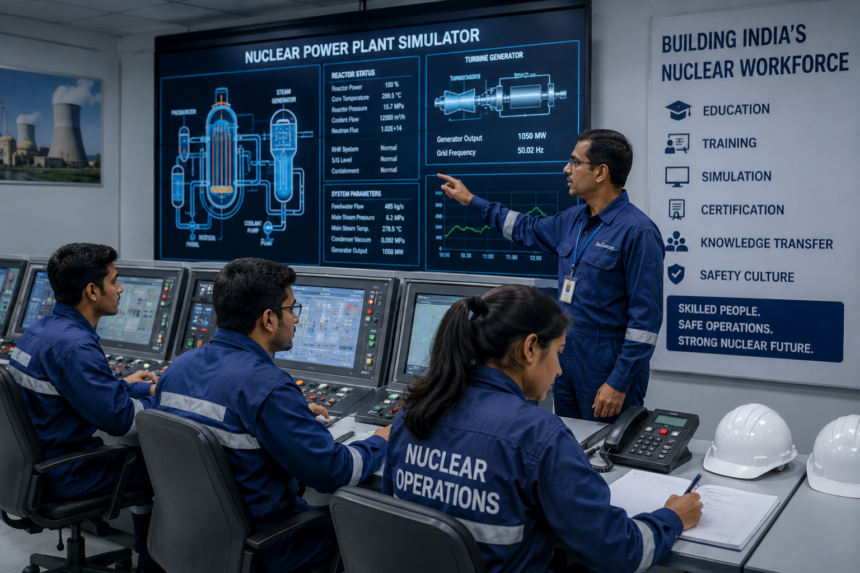
In addition, experts recommended dedicated operator training programmes, integrated courses in reactor physics and reactor engineering, simulation centres, and apprenticeship opportunities. Together, these initiatives can help prepare the workforce needed for large-scale nuclear deployment.
Combining Classroom Learning with Practical Experience
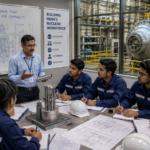
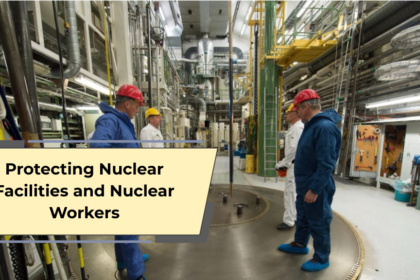
Training nuclear operators requires more than classroom education. Practical experience is equally important. Therefore, stakeholders proposed secondment programmes that would allow trainees to spend extended periods at NPCIL sites. They also recommended standard training and qualification timelines to improve workforce planning.
Such exposure would help trainees gain hands-on experience before taking operational responsibilities. At the same time, experts suggested creating pathways for professionals from related sectors to enter the nuclear industry through bridge training programmes. This approach can expand the talent pool while maintaining high safety standards.
Nuclear Operator Workforce: Learning from Global Experience
India’s future nuclear programme is expected to include both domestic and international reactor technologies. Therefore, stakeholders recommended recognising selected international qualifications from countries such as the United States, United Kingdom, Canada, and South Korea, supported by bridge training where necessary.
In addition, industry leaders encouraged stronger international collaboration in workforce development. Such partnerships can help India learn from global experience, adopt proven training methods, and strengthen operator certification systems.
Supporting the First Private Nuclear Projects
Meanwhile, India’s first private nuclear projects may face a unique challenge. They will need certified operators long before a new training pipeline reaches full capacity. To address this issue, stakeholders proposed an NPCIL deputation framework for the initial years of operation.
Under this model, qualified NPCIL personnel could be deputed to private nuclear projects on a temporary basis. Their service continuity, pension benefits, and operating licences would remain protected. This arrangement would allow private projects to access experienced operators while new training programmes are being developed.
Preserving Six Decades of Nuclear Knowledge
India’s nuclear programme has created a valuable pool of expertise over the last six decades. However, many experienced professionals are approaching retirement. As a result, the industry risks losing critical knowledge unless it is captured and shared with future generations.
Therefore, stakeholders recommended launching a National Nuclear Knowledge Management Initiative. The objective would be to document the experience, lessons, and best practices developed by senior experts throughout their careers. This knowledge can then be used to train future operators, engineers, and technical specialists.
Nuclear Operator Workforce: Expanding the Talent Base
At the same time, the sector must attract more young people into nuclear careers. Therefore, industry experts recommended expanding nuclear science and engineering programmes at IITs, NITs, HBNI, and selected universities. They also proposed a national fellowship and apprenticeship framework to attract and retain talented students for creating Nuclear Operator Workforce.
In addition, stakeholders called for closer collaboration with UGC and AICTE to strengthen academic support for nuclear education and training. These measures can help build a larger talent pipeline before workforce shortages become a constraint.
India’s nuclear ambitions depend on people as much as technology. As reactor deployment accelerates, the demand for certified operators, instructors, engineers, and technical specialists will continue to grow.
| Theme | Industry Concern | Recommended Action |
|---|---|---|
| Operator-Personnel Certification Pipeline | India will need a large number of certified operators as nuclear capacity expands. Existing training capacity may not be sufficient to meet future demand. | Establish a National Nuclear Operator Training Institute in collaboration with DAE, NPCIL, BARC, HBNI, NTPC, and private operators. |
| Operator Training | Need for a structured pipeline to produce qualified reactor operators. | Develop operator training programmes, integrated reactor physics and reactor engineering courses, simulation centres, and apprenticeship programmes. |
| Workforce Readiness | New operators require practical exposure before licensing and deployment. | Introduce secondment programmes with residency at NPCIL sites and establish standard qualification timelines. |
| Lateral Entry | Experienced professionals from related sectors may not have a pathway into nuclear operations. | Allow lateral entry from relevant programmes through bridge training and certification. |
| International Qualifications | Global expertise remains underutilised in workforce development. | Recognise selected international qualifications from the US, UK, Canada, and South Korea with bridge training requirements. |
| International Collaboration | Need to adopt global best practices in operator training. | Encourage international partnerships and collaboration in workforce development and operator training. |
| Initial Workforce for Private Projects | Private nuclear projects will require certified operators before domestic training systems scale up. | Authorise NPCIL to depute qualified personnel to private developers during the initial years of operation. |
| NPCIL Deputation Framework | Workforce transfer should not affect employee benefits or licensing status. | Maintain NPCIL service continuity, pension benefits, and operating licences for deputed personnel without re-certification. |
| Knowledge Retention | India’s nuclear expertise has been built over six decades and risks being lost as senior professionals retire. | Launch a National Nuclear Knowledge Management Initiative to capture and document institutional knowledge before retirement-related losses occur. |
| Academic Capacity | Existing nuclear education capacity may not meet future workforce requirements. | Expand nuclear engineering and science programmes at IITs, NITs, HBNI, and selected universities ahead of demand. |
| Talent Attraction and Retention | The sector needs a larger pipeline of skilled professionals. | Create a national fellowship and apprenticeship framework to attract and retain top talent in the nuclear sector. |
| Education Policy Support | Workforce development requires coordination across institutions. | Work with UGC and AICTE to develop mechanisms for expanding nuclear education and training capacity. |
Therefore, workforce development must begin well before new reactors enter service. Industry leaders at INEF 2026 concluded that operator training, practical experience, knowledge transfer, and academic expansion must move forward together.
With stronger training institutions, modern certification systems, industry participation, and effective knowledge management, India can build the skilled workforce needed to support Mission 100 GWe and the next phase of its nuclear journey.